

20 Fun Informational Facts About Planer And Thicknesser Cheap
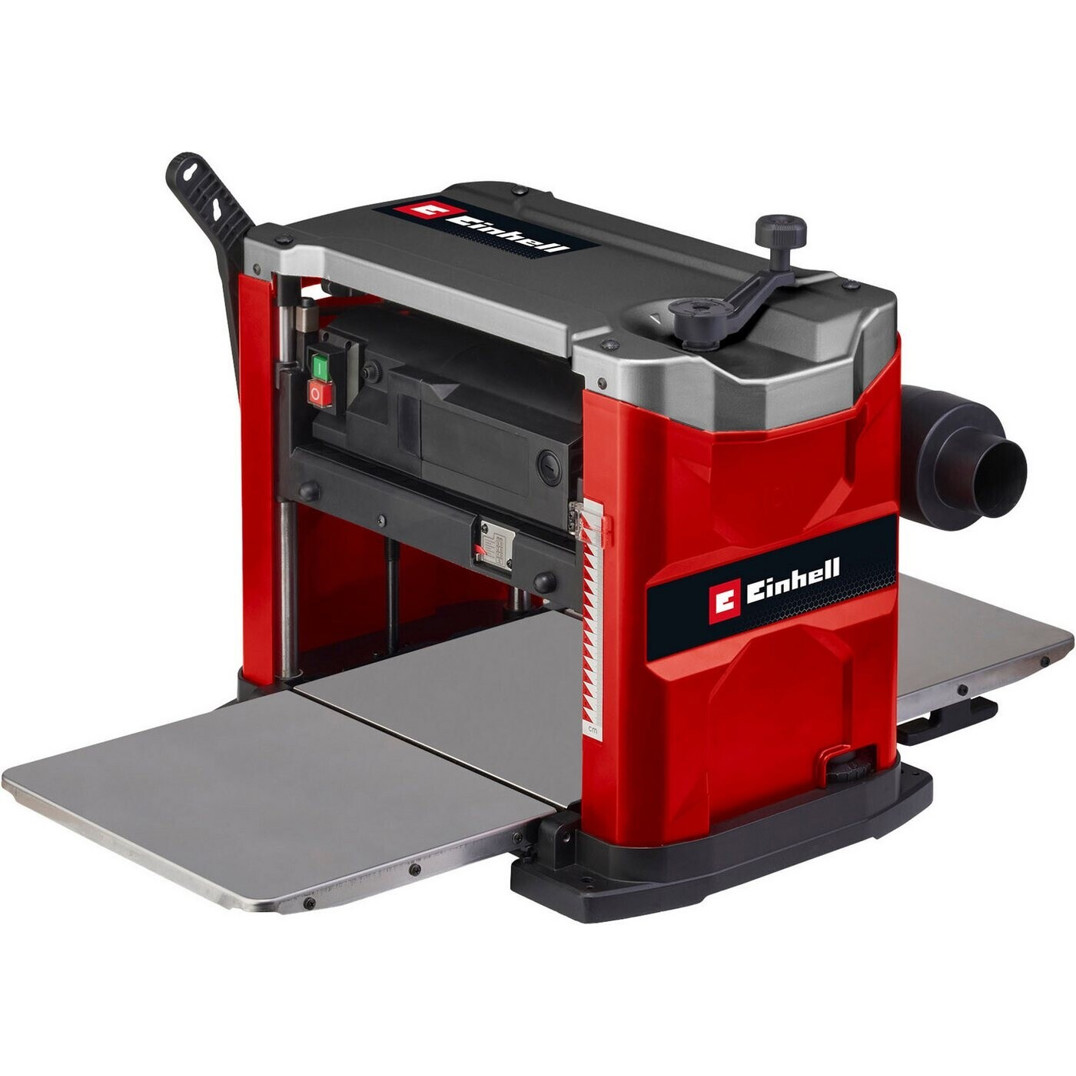
Affordable Planers and Thicknessers: A Comprehensive Guide for Woodworkers
Woodworking enthusiasts understand that having the right tools is important for producing top quality tasks. Among these tools, planers and thicknessers play a crucial function in achieving smooth, even surface areas on lumber. However, discovering cost effective choices in the market can typically be a difficulty. This post intends to supply an extensive analysis of cheap planers and thicknessers, assisting woodworkers make a notified decision without breaking the bank.
Comprehending Planers and Thicknessers
Before diving into the budget friendly choices, it’s essential to understand what planers and thicknessers are, how they function, and their differences.
What is a Planer?
A planer is designed to shave wood to a preferred thickness and to develop a smooth, flat surface area. It can eliminate material from one side of a piece of lumber, leveling it at the same time. Planers can be hand-held or benchtop models, with automatic feed choices offered.
What is a Thicknesser?
A thicknesser, typically described as a thickness planer, is specifically concentrated on accomplishing an uniform thickness across the whole width of the wood. While it can likewise smooth surface areas, its main purpose is to cut the lumber down to an accurate thickness. These makers can be important for woodworking applications where accurate dimensions are a must.
Key Differences: Planer vs. Thicknesser
| Feature | Planer | Thicknesser |
|---|---|---|
| Function | Smoothing and leveling | Achieving uniform thickness |
| Design | Can be portable or stationary | Normally larger and more robust |
| Feed Mechanism | May differ (manual or automatic) | Often has an integrated feed system |
| Suitable Use Cases | Flattening surfaces | Preparing lumber for last dimensions |
Why Choose Cheap Options?
High-quality planers and thicknessers can cost hundreds or perhaps countless dollars. Nevertheless, lots of economical choices exist today that offer outstanding efficiency without jeopardizing too much on quality.
Advantages of Using Affordable Tools
- Cost-Efficiency: Save money while still acquiring tools efficient in managing numerous woodworking jobs.
- Ease of access: Ideal for hobbyists who desire to experiment without a high preliminary investment.
- Entry-Level Use: Perfect for beginners to woodworking who might not yet need professional-grade devices.
Recommended Affordable Planers and Thicknessers
Here’s a list of some of the very best economical options for planers and thicknessers currently available on the marketplace:
Affordable Planers
| Design | Price Range | Secret Features | Best For |
|---|---|---|---|
| DeWalt DCP580B | ₤ 150 – ₤ 200 | Cordless, double-sided blade, ergonomic style | General woodworking |
| Makita 1806B | ₤ 180 – ₤ 260 | Effective 15-amp motor, adjustable depth, lightweight | Do it yourself tasks |
| Bosch PL1632 | ₤ 120 – ₤ 170 | 6.5-amp motor, simple blade modification, dual-grip design | Small jobs and trims |
Affordable Thicknessers
| Model | Price Range | Key Features | Best For |
|---|---|---|---|
| DeWalt DW734 | ₤ 400 – ₤ 500 | 15-amp motor, Maschinen Set Mit 3 Akkus-blade style, adjustable height stop | Flexible thicknessing |
| Wen 6550T | ₤ 300 – ₤ 400 | 15-amp motor, portable design, large infeed and outfeed | Beginners and enthusiasts |
| Delta 22-550 | ₤ 450 – ₤ 600 | 13-inch cutting width, adjustable conveyor speed | Overall wood preparation |
Factors To Consider When Buying Cheap Planers and Thicknessers
Before making a purchase, there are a number of important factors woodworkers must think about to guarantee they invest sensibly:
- Power: Look for a machine with adequate power score ideal for your planned workload.
- Cutting Width: Ensure the width fulfills your project requirements, specifically for larger measurements.
- Construct Quality: Even at lower prices, you want the machine to have a long lasting construct to endure regular usage.
- Blade Options: Consider models that enable for easy blade replacement; they can save money and time in the long run.
- Mobility: If you have actually restricted area, compact and portable designs can assist optimize your workshop.
FAQ Section
1. What’s the difference in between a planer and a thicknesser?
A planer primarily levels and smoothens surface areas on one side, while a thicknesser cuts wood down to an uniform thickness across the entire board.
2. Are cheap planers and thicknessers reliable?
While less expensive models may lack some advanced functions, many economical choices can provide trusted performance for home usage and light professional work.
3. Can I use a planer on wood?
Yes, many planers can deal with hardwood, but guarantee that your design has enough power and quality blades for the very best results.
4. How frequently should I alter the blades?
It’s recommended to inspect the condition of your blades often. Change them when they reveal indications of dullness or splintering in the cut.
5. Can I utilize a thicknesser for rough-sawn lumber?
Yes, a thicknesser is perfect for processing rough-sawn lumber into dimensioned boards.
Picking a budget-friendly planer or thicknesser does not imply jeopardizing on quality. By thinking about the ideal features and choices tailored to your woodworking needs, it is possible to find dependable tools that won’t empty your wallet. Whether you’re a hobbyist or seeking to augment your workshop’s abilities, these economical tools can facilitate smoother, more accurate woodworking experiences. Pleased crafting!
