NHS: A Universal Embrace
In the sterile corridors of Birmingham Women’s and Children’s NHS Foundation Trust, a young man named James Stokes navigates his daily responsibilities with subtle confidence. His smart shoes whisper against the floor as he greets colleagues—some by name, others with the universal currency of a “good morning.”
James carries his identification not merely as institutional identification but as a testament of inclusion. It rests against a well-maintained uniform that offers no clue of the difficult path that preceded his arrival.
What distinguishes James from many of his colleagues is not immediately apparent. His presence discloses nothing of the fact that he was among the first recruits of the NHS Universal Family Programme—an initiative crafted intentionally for young people who have spent time in care.
“It felt like the NHS was putting its arm around me,” James says, his voice measured but tinged with emotion. His statement summarizes the heart of a programme that aims to revolutionize how the vast healthcare system views care leavers—those frequently marginalized young people aged 16-25 who have graduated out of the care system.
The numbers paint a stark picture. Care leavers often face greater psychological challenges, economic uncertainty, accommodation difficulties, and diminished educational achievements compared to their contemporaries. Behind these clinical numbers are personal narratives of young people who have maneuvered through a system that, despite genuine attempts, frequently fails in delivering the stable base that shapes most young lives.
The NHS Universal Family Programme, initiated in January 2023 following NHS England’s commitment to the Care Leaver Covenant, signifies a significant change in systemic approach. At its core, it recognizes that the whole state and civil society should function as a “collective parent” for those who haven’t experienced the security of a traditional family setting.
Ten pioneering healthcare collectives across England have charted the course, developing structures that rethink how the NHS—one of Europe’s largest employers—can create pathways to care leavers.
The Programme is meticulous in its methodology, beginning with thorough assessments of existing policies, establishing management frameworks, and obtaining senior buy-in. It recognizes that meaningful participation requires more than lofty goals—it demands concrete steps.
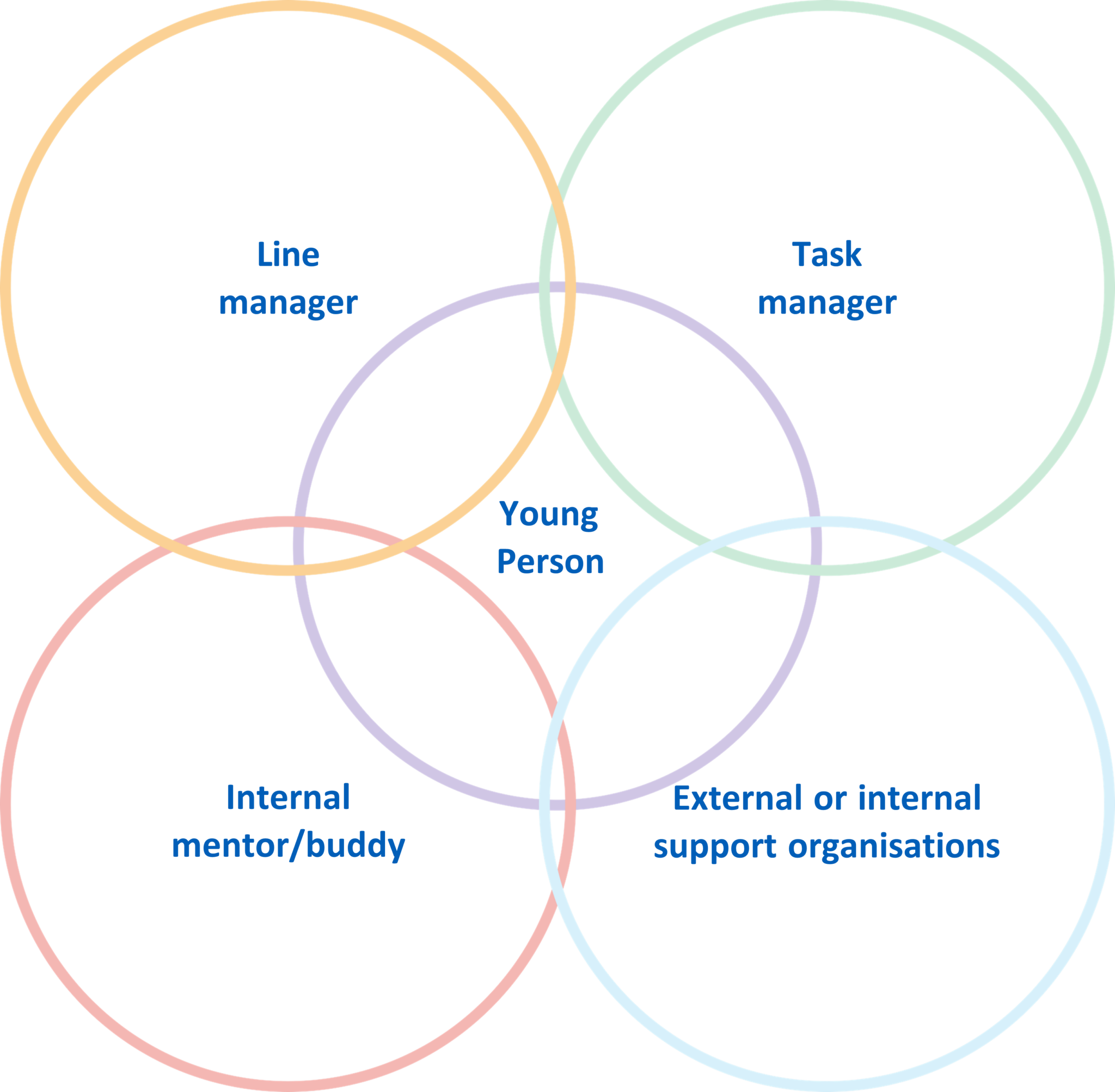
In NHS Birmingham and Solihull ICB, where James found his footing, they’ve created a reliable information exchange with representatives who can offer assistance and counsel on wellbeing, HR matters, recruitment, and EDI initiatives.
The conventional NHS recruitment process—formal and often daunting—has been intentionally adjusted. Job advertisements now focus on attitudinal traits rather than numerous requirements. Application procedures have been reimagined to consider the unique challenges care leavers might experience—from not having work-related contacts to having limited internet access.
Possibly most crucially, the Programme recognizes that entering the workforce can present unique challenges for care leavers who may be navigating autonomy without the support of familial aid. Concerns like commuting fees, proper ID, and banking arrangements—assumed basic by many—can become substantial hurdles.
The elegance of the Programme lies in its thorough planning—from outlining compensation information to helping with commuting costs until that crucial first payday. Even seemingly minor aspects like rest periods and workplace conduct are carefully explained.
For James, whose career trajectory has “changed” his life, the Programme delivered more than a job. It gave him a feeling of connection—that intangible quality that grows when someone is appreciated not despite their history but because their particular journey enhances the workplace.
“Working for the NHS isn’t just about doctors and nurses,” James comments, his gaze showing the quiet pride of someone who has secured his position. “It’s about a collective of different jobs and roles, a team of people who really connect.”
The NHS Universal Family Programme exemplifies more than an work program. It stands as a bold declaration that organizations can evolve to include those who have experienced life differently. In doing so, they not only alter individual futures but enhance their operations through the distinct viewpoints that care leavers contribute.
As James walks the corridors, his presence subtly proves that with the right assistance, care leavers can thrive in environments once deemed unattainable. The arm that the NHS has extended through this Programme represents not charity but acknowledgment of hidden abilities and the fundamental reality that everyone deserves a family that champions their success.